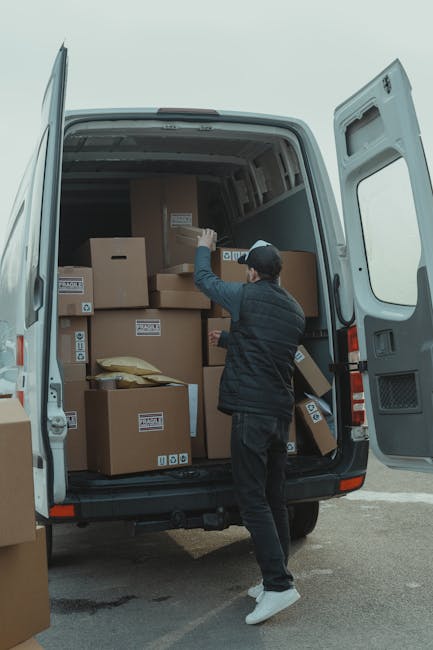
Bluewater shopping centre moves man and van insider tips
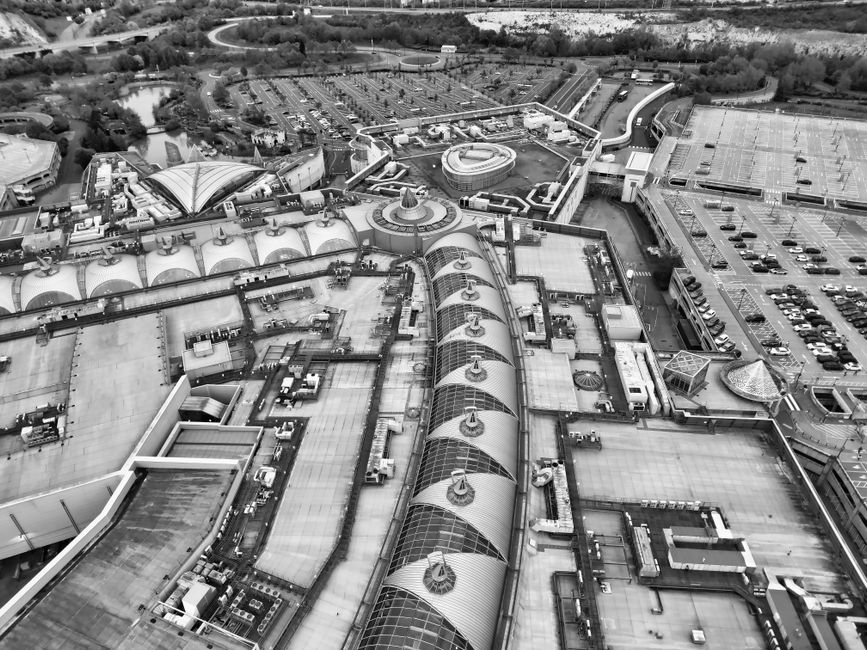
Moving from, to, or via Bluewater can look simple on paper. In real life, it's a mix of lift queues, busy car parks, shopping traffic, awkward timing, and the usual last-minute box that somehow becomes the most important thing in the van. If you're searching for Bluewater shopping centre moves man and van insider tips, you probably want one thing: a calm, practical way to make the move feel less chaotic.
This guide pulls together the bits people usually learn the hard way. How to plan access around a busy retail site, what to do with fragile items, when a man and van setup makes sense, and which mistakes tend to cause delays. It also covers the local-moving mindset that helps around Dartford and the wider Kent edge of the London commuter belt. Simple advice, but the useful kind.
Why Bluewater shopping centre moves man and van insider tips Matters
Bluewater is not a normal loading environment. It's a high-footfall retail destination, which means your move can be slowed down by things that have nothing to do with the van itself. Busy access roads, short-stay pressures, lift use, shopfront activity, and the general ebb and flow of shoppers all affect how smoothly a move goes.
That matters because a man and van move is often chosen for speed, flexibility, and lower cost compared with a full removals crew. If the access plan is weak, though, any of those advantages can disappear fast. You can lose time, create extra carrying distance, and end up with stressed people trying to move heavy furniture through a place that was never designed for a casual, unplanned unloading process. Not ideal, to be fair.
The other reason these tips matter is confidence. Many people moving a flat, student room, small office, or storage contents near Bluewater only have a rough idea of what the day will involve. A little insider knowledge gives you better timing, cleaner packing decisions, and fewer awkward surprises at the kerb.
Expert summary: if your move touches Bluewater, plan it like a retail-site move rather than a standard house move. Access, timing, and packaging discipline matter more than they do on a quiet residential street.
How Bluewater shopping centre moves man and van insider tips Works
At its simplest, a man and van move around Bluewater follows the same broad pattern as any local move: you book a vehicle and driver, load your items, transport them, and unload at the destination. The difference is in the rhythm of the day. Bluewater's setting makes timing and handover much more important than people expect.
Here's what usually happens in a well-run move:
- You identify the exact collection point and destination point.
- You confirm whether parking, loading bays, or meet-and-go arrangements are possible.
- You pack items so the heaviest and most fragile pieces are easiest to handle.
- The van arrives at the agreed time, and loading starts with the largest, safest items first.
- Goods are moved in a sequence that keeps corridors, lifts, and walkways clear.
- At the destination, items are unloaded in room order where possible, rather than dumped in one pile.
If you want a smoother experience, it helps to think in terms of flow. That means reducing backtracking. The van should not be parked too far away, packed in a random order, or forced to sit idle while someone searches for keys, lift access, or a missing box of cables. You know the kind of day that becomes; it starts with "just a small move" and ends with everyone drinking tea standing up.
A practical support page like package your items and wait for us to come is useful because it reinforces the value of having goods ready before the vehicle arrives. Likewise, if your timing is tight, choosing a delivery time that suits your schedule can make the whole process feel much less rushed.
Key Benefits and Practical Advantages
When the process is handled properly, a man and van move near Bluewater can be surprisingly efficient. The value is not just financial. It's about reducing friction on a day that already asks a lot from you.
- Speed: Smaller loads can often be moved and delivered in a single, streamlined trip.
- Flexibility: You can often work around earlier or later time slots more easily than with a large-scale removal.
- Better local fit: A smaller vehicle is easier to manage in busy retail and mixed-use areas.
- Less stress: Clear item prep and precise timing reduce the "where is everything?" feeling.
- Practical access: A man and van setup is often more suitable for flats, small offices, student moves, and partial furniture deliveries.
There's also a subtle benefit people miss: a good plan protects your energy. Moving is not just physical; it's mental. If you can keep the loading sequence clean, keep the route short, and keep people informed, the day feels much more manageable. That counts for a lot.
For many local customers, this kind of move sits somewhere between a full removal and a simple courier run. It's that middle ground where judgement matters more than brute force.
Who This Is For and When It Makes Sense
Bluewater shopping centre moves man and van insider tips are especially useful if your move is compact, time-sensitive, or awkwardly located. That could mean a few boxes and a sofa, or it could mean a full flat load, depending on access and volume.
This approach makes sense for:
- students moving between accommodation and temporary storage
- flat moves where stairs, lifts, or access corridors matter
- small office or retail-adjacent item transfers
- furniture collections and drop-offs
- same-day or short-notice relocations
- people moving between Dartford, Bluewater, and nearby Kent locations
If your move includes larger, awkward, or high-value items, you may want to look at a more specialist service. For example, a sofa, wardrobe, or entire household set may need more planning than a standard "quick run." In those cases, services such as furniture removals in Dartford or house removals support can be more appropriate than trying to force everything into one small trip.
On the other hand, if you only need a modest load shifted without fuss, a targeted man and van option can be the sweet spot. Not too much, not too little.
Step-by-Step Guidance
The most reliable moves around Bluewater usually follow the same pattern. There's nothing glamorous about it, but it works.
- Make a full item list. Count boxes, furniture, appliances, and anything fragile or unusually shaped.
- Check access on both sides. Think about lifts, parking bays, distance from van to door, and any barriers.
- Group items by handling type. Put heavy items together, fragile items together, and "needs-disassembly" items together.
- Pack early. Do not leave the final boxes for the morning of the move. That's the classic mistake.
- Reserve a realistic time window. Around busy retail areas, a narrow slot can be risky if access is uncertain.
- Label clearly. Room names or simple categories work best: kitchen, bedroom, office, fragile, essentials.
- Load in reverse order of need. Items you'll need first at the new place should go last into the van.
- Walk the route before unloading. At the destination, check for steps, tight corners, low ceilings, or blocked access.
- Unload room by room. It keeps momentum and avoids the dreaded "pile in the hall" scenario.
One small but powerful habit: pack a clear essentials bag. Keys, charger, kettle bits, medication, basic tools, toilet items, and paperwork. It sounds obvious until you're tired at 8.15 pm and cannot find a toothbrush. Happens all the time.
Expert Tips for Better Results
Here's where the local know-how really pays off. A few small decisions can save you half an hour or more, and sometimes the difference between a decent move and a messy one is only two or three sensible choices.
Choose the right time of day
Whenever possible, avoid peak retail periods if your access involves shared roads or busy loading areas. Early starts are often calmer. Late afternoons can be fine too, but only if the site is predictable. Midday near a major shopping destination can be a bit of a circus.
Disassemble what can be safely broken down
A bed frame, table legs, or shelving system often carries better when separated. Keep fixings in labelled bags and tape them to the item or place them in the same "hardware" box. That tiny step saves grief later.
Use proper padding, not just hope
Blankets, wraps, and sturdy boxes matter. Bluewater moves often involve items that are partly furniture, partly retail purchase, partly "we'll just pop it in the van." That's fine, but only if edges are protected and glass is separated from pressure points.
Keep one person focused on access
If more than one person is involved, designate someone to manage doors, lifts, parking communication, and route changes. It sounds excessive until you realise nobody is watching the actual doorway. Then you're all watching the doorway.
Use local knowledge where possible
A team familiar with Dartford and the Bluewater area will usually spot access issues faster. If you're comparing options, a page like man with van Dartford can help you understand the kind of service you're looking for, while removal services gives a broader picture of what's available for different load sizes.
And yes, a good moving day sometimes feels a little improvised. That's normal. The trick is making the improvisation controlled.
Common Mistakes to Avoid
The biggest moving problems around Bluewater are rarely dramatic. They're usually small planning errors that stack up. One delay here, one missing box there, and suddenly everyone is tired and mildly fed up.
- Underestimating parking and walking distance. A van parked 20 metres away can feel like 200 metres when you're carrying a washing basket.
- Packing too late. This is the classic one. It creates stress and weakens loading order.
- Not checking lift access. If the lift is busy or unavailable, your timing can slip quickly.
- Ignoring fragile-item grouping. Mixed boxes are slower to load and riskier to move.
- Forgetting disassembly tools. If the bed won't fit through the route, you need them on hand.
- Booking without enough information. The more detail you give up front, the fewer surprises later.
- Assuming a short route means an easy move. Short distance does not always mean short loading time. Not even close.
If you're moving from a flat or compact property, the pressure often comes from stairs, narrow halls, and shared entrances rather than the actual drive. That is why pages like flat removals in Dartford and man and van Dartford are useful comparisons when you're deciding how much help you really need.
Tools, Resources and Recommendations
You do not need a mountain of equipment for a Bluewater move, but a few practical items make a noticeable difference.
- Strong boxes: Use consistent sizes where possible so stacking is stable.
- Packing paper or wrap: Good for glass, lamps, and anything that shifts around too easily.
- Labels and marker pens: Keep them simple and bold.
- Furniture blankets: Essential for tables, wardrobes, and painted surfaces.
- Tape measure: Useful if you're unsure whether an item will clear a doorway or lift.
- Basic tool kit: Screwdrivers, Allen keys, and zip bags for fittings.
- Floor protection: Helpful at both ends, especially in shared buildings.
For readers comparing services and preparation help, the site's packing and boxes page is a sensible place to understand how better packing supports a smoother move. If you need a wider overview of what the team can handle, services overview is a practical next stop.
Useful recommendation: if the item list is longer than you first thought, stop estimating by eye and write it down. The written list is always more honest than the memory after a stressful week.
Law, Compliance, Standards, or Best Practice
For a local move like this, the main compliance concern is not usually complicated law; it's safe, sensible handling. That said, good practice still matters. Vehicles should be roadworthy and appropriately insured. Loads should be secured so they do not shift while driving. Heavy lifting should be managed carefully so nobody gets hurt. Common sense, really, but the kind that gets overlooked when people are in a hurry.
In the UK, moving work should be carried out with due attention to health and safety, especially where handling, loading, unloading, stairs, and shared access points are involved. You should also expect clear communication about what is and is not included, how items are protected, and what happens if access is restricted or a delay occurs.
If you are moving valuable, heavy, or awkward items, it is sensible to ask about insurance and handling procedures before the day of the move. A page such as insurance and safety can help explain the standards a responsible mover should consider. If payment clarity matters to you, payment and security is worth reviewing too.
There is also a broader trust angle. A reputable operator should have clear terms, reasonable communication, and a fair complaints process. If you want that reassurance before booking, the site pages on terms and conditions, complaints procedure, and privacy policy show the sort of transparent information that helps customers feel confident.
Options, Methods, or Comparison Table
Choosing the right moving method depends on load size, urgency, and access. Here is a straightforward comparison to help you decide.
| Option | Best for | Strengths | Potential drawbacks |
|---|---|---|---|
| Man and van | Small to medium moves, single items, flat moves, student loads | Flexible, usually efficient, easier around busy access points | Less suitable for very large or highly complex moves |
| Removal van with added support | Heavier household loads or mixed furniture collections | More capacity and better handling for bulky items | May cost more and need tighter planning |
| Full removals service | Whole-home moves, complex access, larger families | Most support, less physical work for you | Can be more than you need for a smaller Bluewater move |
| Same-day removals | Urgent or unexpected moves | Fast response and quick turnaround | Less margin for error if packing is unfinished |
If your move is time-critical, same-day removals in Dartford may be worth considering. If you need a broader sense of vehicle size and load fit, removal van Dartford can also help narrow the choice.
Case Study or Real-World Example
Picture a typical late-afternoon move. A couple is leaving a rented flat not far from Bluewater and needs to move boxes, a small dining table, two chairs, a TV, bedding, and a few kitchen items to a new address in Dartford. Nothing outrageous. But the building has a shared lift, the car park is busy, and one of the boxes contains all the charging cables, which, naturally, nobody remembers until the last minute.
They start by packing early the day before. That already helps. Fragile items are boxed separately, the table legs are removed, and each room is labelled. On the day, the driver arrives at the agreed time and the load is grouped by size: boxes first, then the table parts, then the larger wrapped items. Because the route from the entrance to the vehicle was checked beforehand, there's no need for back-and-forth guesswork.
The only real hiccup is the lift being occupied for a few minutes. Nothing dramatic. The move continues once that clears. At the new place, the essentials box is unloaded last, which turns out to be handy because the kettle and charger are easy to find. Very ordinary, really. But that's the point. A well-planned move is rarely exciting. It just works.
For people comparing this sort of setup with wider relocation support, the related guides on removals Dartford and removals near Dartford Station can be useful for thinking through access, timing, and local routes.
Practical Checklist
Use this checklist before the van arrives. It keeps the day sharper and stops the silly little problems from multiplying.
- Confirm collection and delivery addresses.
- Check access, parking, lifts, and any site restrictions.
- Pack fragile items separately and mark them clearly.
- Disassemble bulky furniture where practical.
- Put screws, bolts, and fittings in labelled bags.
- Prepare an essentials bag for immediate use at the new place.
- Group boxes by room and priority.
- Protect furniture with blankets or wrap.
- Keep phone charged and available on the day.
- Allow a little breathing room in the schedule. A bit, not loads.
- Check payment details and any agreed terms in advance.
- Keep valuables and important documents with you rather than in the load.
Quick reminder: if you are moving items from retail-adjacent or busy pedestrian areas, a clean handover path matters as much as the van itself. That's the bit people forget.
Get a free quote today and see how much you can save.
Conclusion
Bluewater shopping centre moves man and van insider tips come down to one simple idea: treat the move like a small logistics job, not a quick favour. When access is busy and timing matters, careful packing, realistic scheduling, and the right type of vehicle make the biggest difference.
If you plan early, label clearly, and keep the route simple, the move usually feels much lighter than expected. That's the real win. Less scrambling, fewer delays, and a better chance of ending the day with everything in the right place and your shoulders intact.
And honestly, after a move like that, a quiet cup of tea and a few minutes of silence feel better than they should. That's life. Small victories count.
Frequently Asked Questions
What does Bluewater shopping centre moves man and van insider tips actually mean?
It refers to practical advice for moving items to, from, or around the Bluewater area using a man and van service. The focus is on access, timing, packing, and avoiding common delays.
Is a man and van suitable for a Bluewater-area flat move?
Usually, yes. It often suits flat moves well, especially if the load is moderate and the access is manageable. If there are lots of bulky items or multiple trips, a larger removals option may be better.
How early should I book a man and van for Bluewater?
As early as you can if the date is fixed. For urgent moves, same-day help may be possible, but the more notice you give, the easier it is to match the best time and vehicle.
What should I pack first for a move near Bluewater?
Start with non-essential items such as books, decorations, seasonal items, and spare kitchenware. Leave everyday essentials for last so you can keep using them until moving day.
How do I avoid delays when moving near a busy shopping centre?
Check access routes, avoid unclear arrival times, and keep items packed before the vehicle arrives. Also, make sure someone knows where to park, where to unload, and who is opening doors or lifts.
Do I need to dismantle furniture before the move?
Not always, but it often helps. Beds, tables, and shelving can be much easier to move when partly dismantled. It also reduces the risk of damage in tight spaces.
What if my load is bigger than I first thought?
That happens all the time. If the item count grows, talk through the options early. You may need a larger van, an extra helper, or a different removals setup altogether.
Are there any safety issues I should think about?
Yes. Secure lifting, safe carrying routes, and properly packed loads matter. It is also sensible to ask about insurance and how heavy or fragile items are handled.
Can a man and van handle same-day moves near Bluewater?
Often, yes, depending on availability and load size. Same-day removals are usually best for smaller or more flexible jobs where packing is already underway.
What items are best kept with me instead of in the van?
Keys, documents, medication, chargers, valuables, and essentials you will need immediately at the other end should stay with you. It saves hassle and reduces risk.
How do I know whether I need removals or just a man and van?
Think about volume, access, and how much physical help you want. If you are moving a few items or a compact flat load, man and van may be enough. For full-house moves or complex furniture, a fuller removal service is often more suitable.
What should I ask before booking?
Ask about vehicle size, loading help, timing, access expectations, insurance, payment terms, and what happens if the site is busier than expected. Clear answers now prevent awkwardness later.
Is this kind of move different from a normal Dartford move?
Yes, slightly. The Bluewater setting adds more access and timing pressure than a typical residential street. The move itself is familiar, but the environment needs a bit more planning.